


ما هي حلول العزل الحراري المناسبة لكبائن المصاعد الخارجية؟
- دليل شامل للمصاعد الخارجية للمنازل: العزل والحلول الحرارية
- 1. لماذا يعتبر العزل مهماً للمصاعد المنزلية الخارجية؟
- 2. ما هي مواد العزل المناسبة لكبائن المصاعد الخارجية؟
- 3. كيف يؤثر تصميم عمود المصعد على الأداء الحراري؟
- 4. ما هي أفضل الممارسات لتركيب العزل في كبائن المصاعد الخارجية؟
- 5. كيف يمكن لتدابير مقاومة العوامل الجوية أن تعزز الكفاءة الحرارية للمصاعد الخارجية؟
- 6. ما هي ممارسات الصيانة الضرورية للحفاظ على العزل والأداء الحراري؟
- 7. كيف تؤثر كفاءة الطاقة والحلول الحرارية على التكلفة الإجمالية لتركيب مصعد خارجي؟
- 8. ما هو دور الاستشارة المهنية في اختيار حلول العزل الحراري للمصاعد الخارجية؟
- الخلاصة: لماذا تختار شركة SOLKER لتلبية احتياجات المصاعد في فيلتك؟
دليل شامل للمصاعد الخارجية للمنازل: العزل والحلول الحرارية
عند تركيب مصعد خارجي في الفيلا، من الضروري مراعاة العزل الحراري والحلول الحرارية للحفاظ على كفاءة الطاقة وراحة السكان. فيما يلي أسئلة وأجوبة رئيسية لإرشادك خلال هذه العملية.
1. لماذا يعتبر العزل مهماً للمصاعد المنزلية الخارجية؟
يساعد العزل الجيد في المصاعد المنزلية الخارجية على منع فقدان الحرارة واكتسابها، مما يضمن درجة حرارة داخلية مستقرة ويقلل من استهلاك الطاقة. كما أنه يحمي مكونات المصعد من تقلبات درجات الحرارة، مما يطيل عمرها الافتراضي.
2. ما هي مواد العزل المناسبة لكبائن المصاعد الخارجية؟
تُعدّ مواد مثل ألواح الرغوة الصلبة، ورغوة الرش، والزجاج العازل فعّالة في عزل كبائن المصاعد الخارجية. توفر ألواح الرغوة الصلبة قيم عزل حراري عالية، مما يضمن مقاومة حرارية ممتازة. أما رغوة الرش فتُستخدم لملء الفجوات والشقوق، مما يُحسّن من إحكام إغلاق المبنى. بينما يُقلّل الزجاج العازل من انتقال الحرارة عبر النوافذ، مما يُحسّن من كفاءة استهلاك الطاقة.
3. كيف يؤثر تصميم عمود المصعد على الأداء الحراري؟
يلعب تصميم بئر المصعد دورًا هامًا في الأداء الحراري. فالبئر المعزول يقلل من انتقال الحرارة بين كابينة المصعد والبيئة الخارجية. على سبيل المثال، صممت شركة NOVA Elevators مصعدًا فاخرًا ببئر معزول حراريًا وزجاج عاكس، مما يضمن الوصول المباشر من المساحة الداخلية دون التسبب في فقدان الحرارة أو تغيرات مفاجئة في درجة الحرارة.
4. ما هي أفضل الممارسات لتركيب العزل في كبائن المصاعد الخارجية؟
تشمل أفضل الممارسات ما يلي:
- سد جميع الفجوات والوصلات لمنع تسرب الهواء.
- استخدام حواجز البخار للتحكم في الرطوبة ومنع نمو العفن.
- تركيب مواد عازلة ذات قيم مقاومة حرارية مناسبة للمناخ المحلي.
- ضمان عدم إعاقة العزل لمكونات المصعد أو المساس بالسلامة.
5. كيف يمكن لتدابير مقاومة العوامل الجوية أن تعزز الكفاءة الحرارية للمصاعد الخارجية؟
تُساهم إجراءات الحماية من العوامل الجوية، مثل تركيب مداخل محكمة الإغلاق ومظلات واقية، في حماية المصعد من التعرض المباشر للأمطار والثلوج والحطام. وتساعد هذه الحماية في الحفاظ على درجة الحرارة الداخلية وتقليل الحمل على أنظمة التدفئة والتبريد. وتؤكد شركة كامبريدج للمصاعد على أهمية المداخل المحكمة الإغلاق والمظلات الواقية لتقليل التعرض المباشر للعوامل الجوية.
6. ما هي ممارسات الصيانة الضرورية للحفاظ على العزل والأداء الحراري؟
تشمل ممارسات الصيانة الدورية ما يلي:
- فحص العزل بحثًا عن علامات التلف أو التدهور.
- فحص وجود تسريبات للهواء وإغلاقها على الفور.
- ضمان عمل أنظمة الصرف الصحي بشكل صحيح لمنع تسرب المياه.
- تنظيف وصيانة عناصر مقاومة العوامل الجوية لضمان فعاليتها.
7. كيف تؤثر كفاءة الطاقة والحلول الحرارية على التكلفة الإجمالية لتركيب مصعد خارجي؟
قد يؤدي الاستثمار في العزل الحراري عالي الجودة إلى زيادة تكاليف التركيب الأولية، ولكنه يُحقق وفورات طويلة الأجل من خلال خفض فواتير الطاقة وتحسين الراحة. يُمكن للعزل الجيد أن يُقلل تكاليف التدفئة والتبريد بنسبة تتراوح بين 20 و50%، مما يجعله خيارًا اقتصاديًا على المدى البعيد.
8. ما هو دور الاستشارة المهنية في اختيار حلول العزل الحراري للمصاعد الخارجية؟
تضمن استشارة المختصين تصميم حلول العزل الحراري بما يتناسب مع احتياجاتك الخاصة، مع مراعاة عوامل مثل المناخ المحلي، وتصميم المبنى، والميزانية. ويمكن للخبراء التوصية بأفضل المواد وطرق التركيب لتحقيق كفاءة مثالية في استهلاك الطاقة وراحة فائقة.
الخلاصة: لماذا تختار شركة SOLKER لتلبية احتياجات المصاعد في فيلتك؟
تتميز شركة سولكر في مجال مصاعد الفيلات بتقديمها حلولاً مصممة خصيصاً لتلبية احتياجاتكم، مع التركيز على كفاءة الطاقة والراحة الحرارية. يقدم فريق خبرائنا استشارات شاملة، لضمان تحسين كل جانب من جوانب نظام المصعد الخارجي لديكم لتحقيق الأداء الأمثل وطول العمر. مع سولكر، يمكنكم الاطمئنان إلى أن استثماركم سيعزز قيمة منزلكم وراحة عائلتكم.

![كيف يمكن للمصعد المنزلي أن يزيد من قيمة عقارك بنسبة 10% [دراسة حالة 2026] - سولكر](https://static.gooecloud.com/upload/img/GY076088693142/how-an-elevator-for-home-can-increase-your-property-value-by-10-2026-case-study.png?x-oss-process=image/format,webp/quality,Q_100 "كيف يمكن للمصعد المنزلي أن يزيد من قيمة عقارك بنسبة 10% - [دراسة حالة 2026] - سولكر")
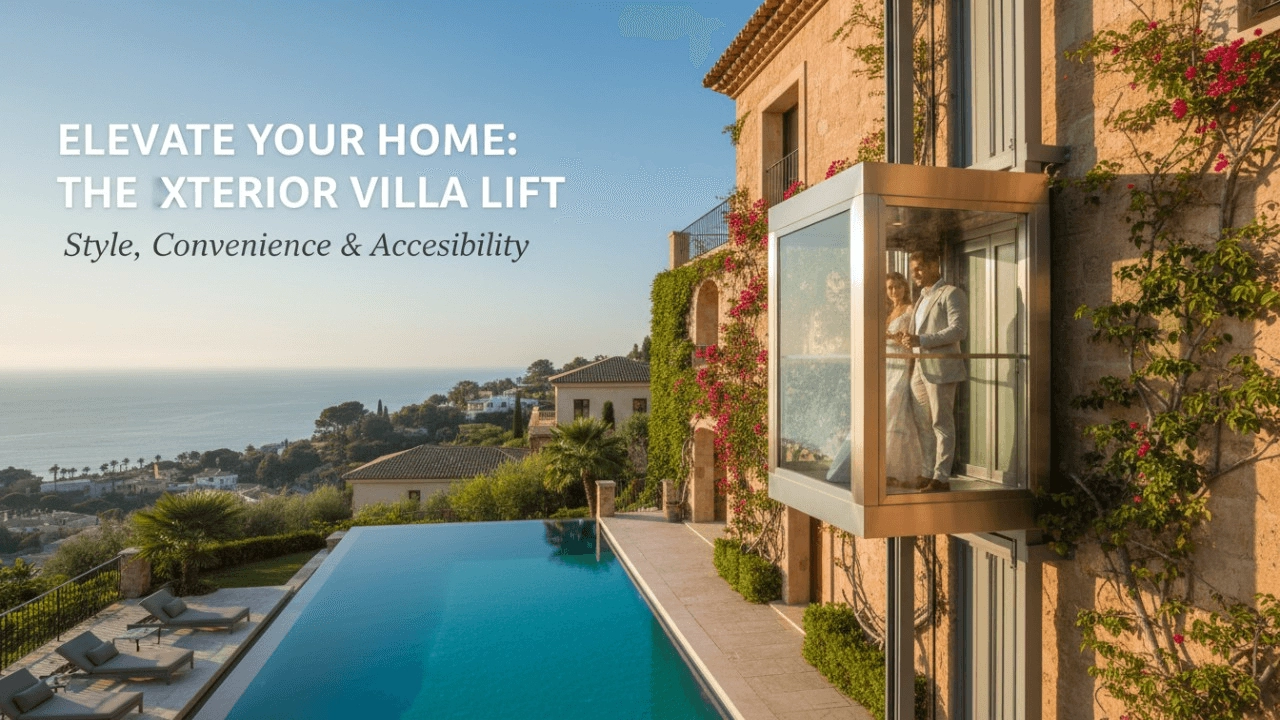
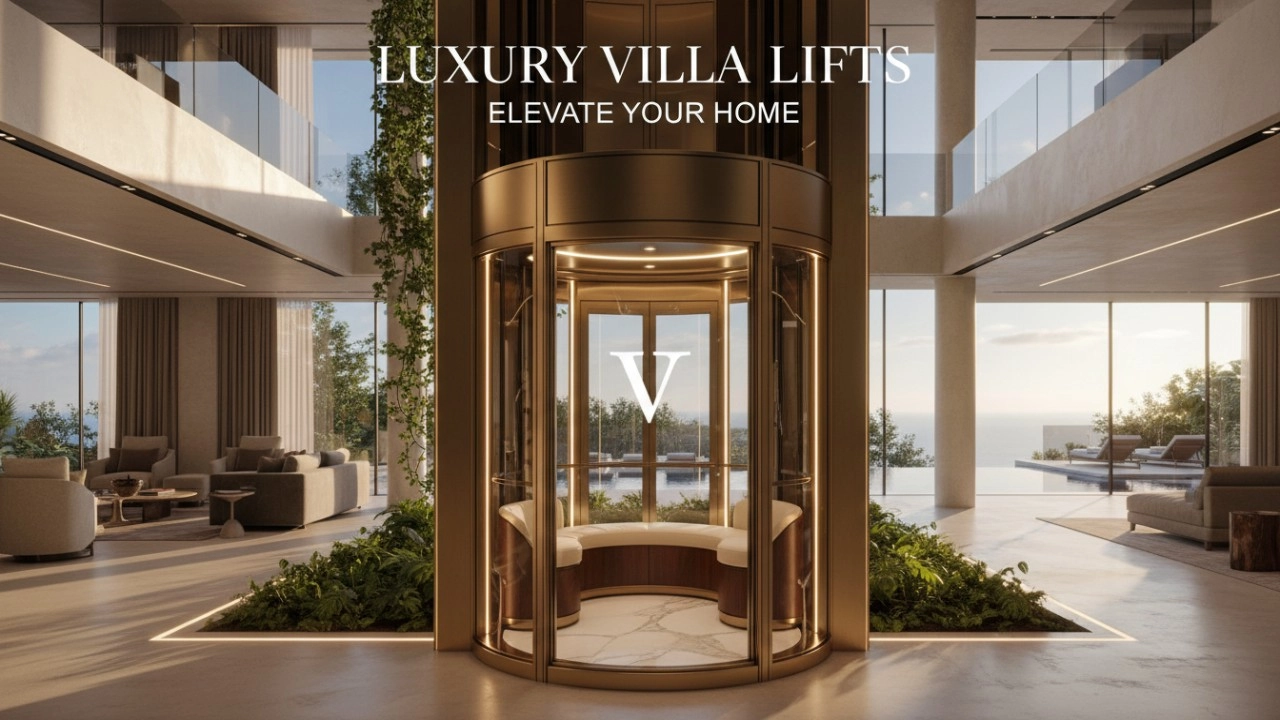
تخصيص
هل يمكن أن يتناسب تصميم المصعد مع هندسة منزلي؟
بالتأكيد. مصممونا يصممون كل كابينة لتتناسب مع تصميمك الداخلي وأسلوبك.
كم من الوقت يستغرق تسليم الطلب المخصص؟
في المتوسط، يستغرق الإنتاج من 30 إلى 45 يومًا بعد التأكيد، وذلك حسب التكوين الخاص بك.
هل أحتاج إلى رسومات معمارية لبدء التخصيص؟
ليس مطلوبًا في البداية. يمكننا البدء بالأبعاد أو الصور الأساسية، ثم المساعدة في التخطيط الكامل.
منتج
هل يمكن تخصيصها حسب الحاجة؟
نعم.
ما هي مدة تاريخ الإنتاج المطلوبة؟
في الظروف العادية، يكون وقت الإنتاج من 35 إلى 45 يومًا.
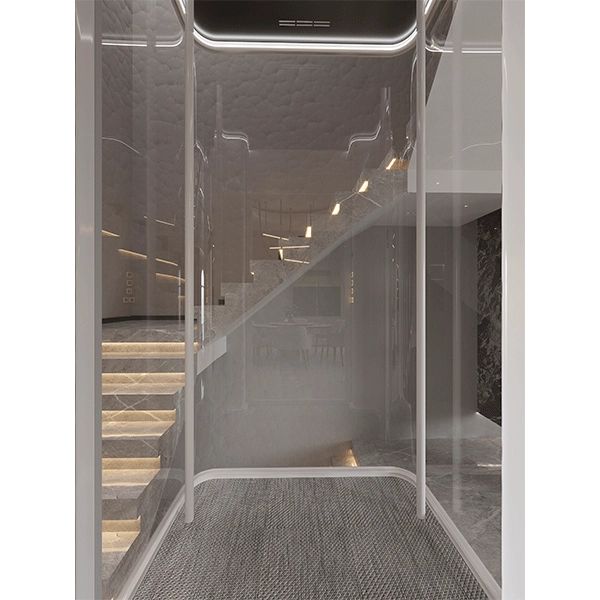
الموديل-ميني هومصعد فيلا منزلية بتصميم إيطالي بسيط. يتميز بأحدث تقنيات المصاعد، ويضمن إجراءات سلامة شاملة. إنه الضمان الأمثل لدخولك إلى فيلا.
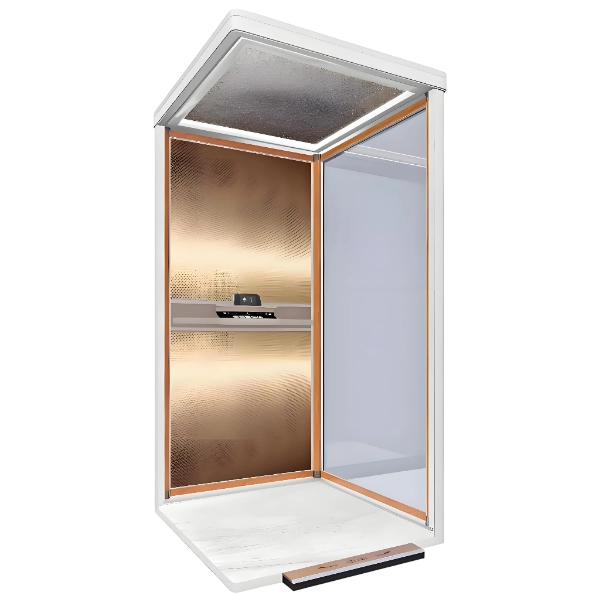
مصعد طراز A هو مصعد فيلا منزلية بتصميم إيطالي بسيط. يتميز بأحدث تقنيات المصاعد، ويوفر إجراءات حماية شاملة. إنه الضمان الأمثل لراحتكم في منازلكم الفلل.
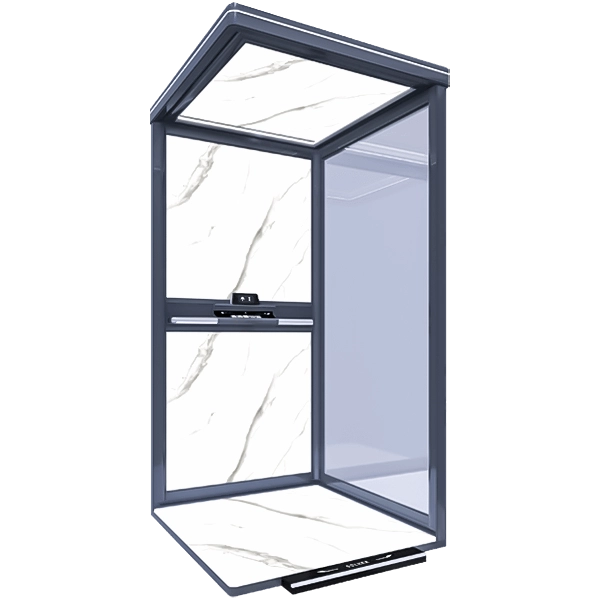
النموذج-سمصعد فيلا منزلية بتصميم إيطالي بسيط. يتميز بأحدث تقنيات المصاعد، ويوفر إجراءات حماية شاملة. إنه الضمان الأمثل لراحتكم في منازلكم الفلل.
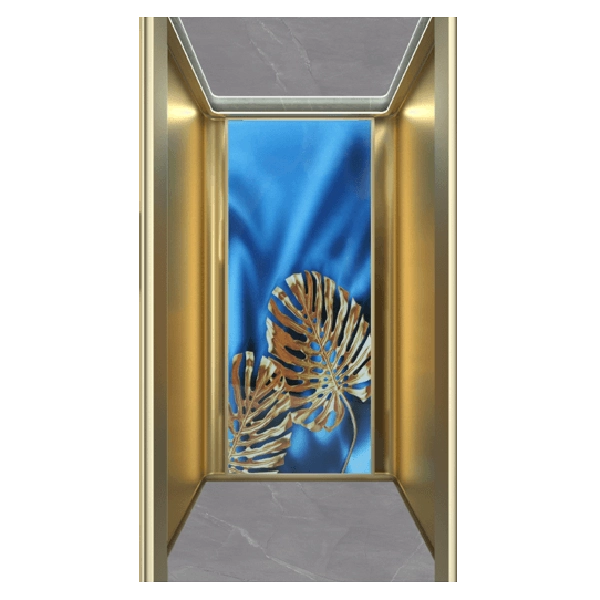
النموذج-س مصعد فيلا منزلية بتصميم إيطالي بسيط. يتميز بأحدث تقنيات المصاعد، ويوفر إجراءات حماية شاملة. إنه الضمان الأمثل لراحتكم في منازلكم الفلل.
هل تبحث عن حلول تصنيع مصاعد الفلل المخصصة؟
نحن نقدم خدمات كاملة لحلول OEM و ODM - من المفهوم إلى التسليم.
التصميم والنماذج الأولية والإنتاج والشحن - كل ذلك في مكان واحد.
قم بملء النموذج أدناه للحصول على عرض أسعار أو استشارة مجانية.
👉 اتصل بنا اليوم لبدء شراكة مخصصة حصرية.
📦 احصل على كتالوجات المنتجات وأسعار الجملة.
🔧 قم بإرسال متطلبات التصميم الخاصة بك للمطابقة الحصرية 1 إلى 1.
🌍 كن شريك التوزيع العالمي لدينا.
كن مطمئنًا أن خصوصيتك مهمة بالنسبة لنا، وسيتم التعامل مع جميع المعلومات المقدمة بأقصى درجات السرية.
دعونا نتواصل
بريد إلكتروني:lin@solkerelevator.com
هاتف: +86 133 1668 7566
العنوان: الطابق الأول، المبنى D، شركة نانكسين الصناعية الدولية، منطقة نانشينج، دونغقوان، الصين.
 تايوان، الصين
 رقم 21، لين 38، 206 طريق ينغتاي، منطقة ينغجي، مدينة تايبيه الجديدة
 +886 0975-299-830
 الإمارات العربية المتحدة
كابيتال مول، أبوظبي، الإمارات العربية المتحدة، الطابق الثالث، مصعد لوكسيرا+971 52 541 4685 Ceo@maharacare.com
 ملبورن، أستراليا
 19/12 شارع ناتاليا، جنوب أوكلي، مركز فيينا الدولي 3167
+61 1300 771 86sales@goldenhomelifts.com.au
سيدني، أستراليا
U28/323 طريق تشيشولم، أوبورن، نيو ساوث ويلز 2144
+61 1300 771 86sales@goldenhomelifts.com.au
© 2026 SOLKEP جميع الحقوق محفوظة.
سولكر
سولكر